Why Bronze Sculpture Prices Vary: The Impact of Raw Material Costs and Quality
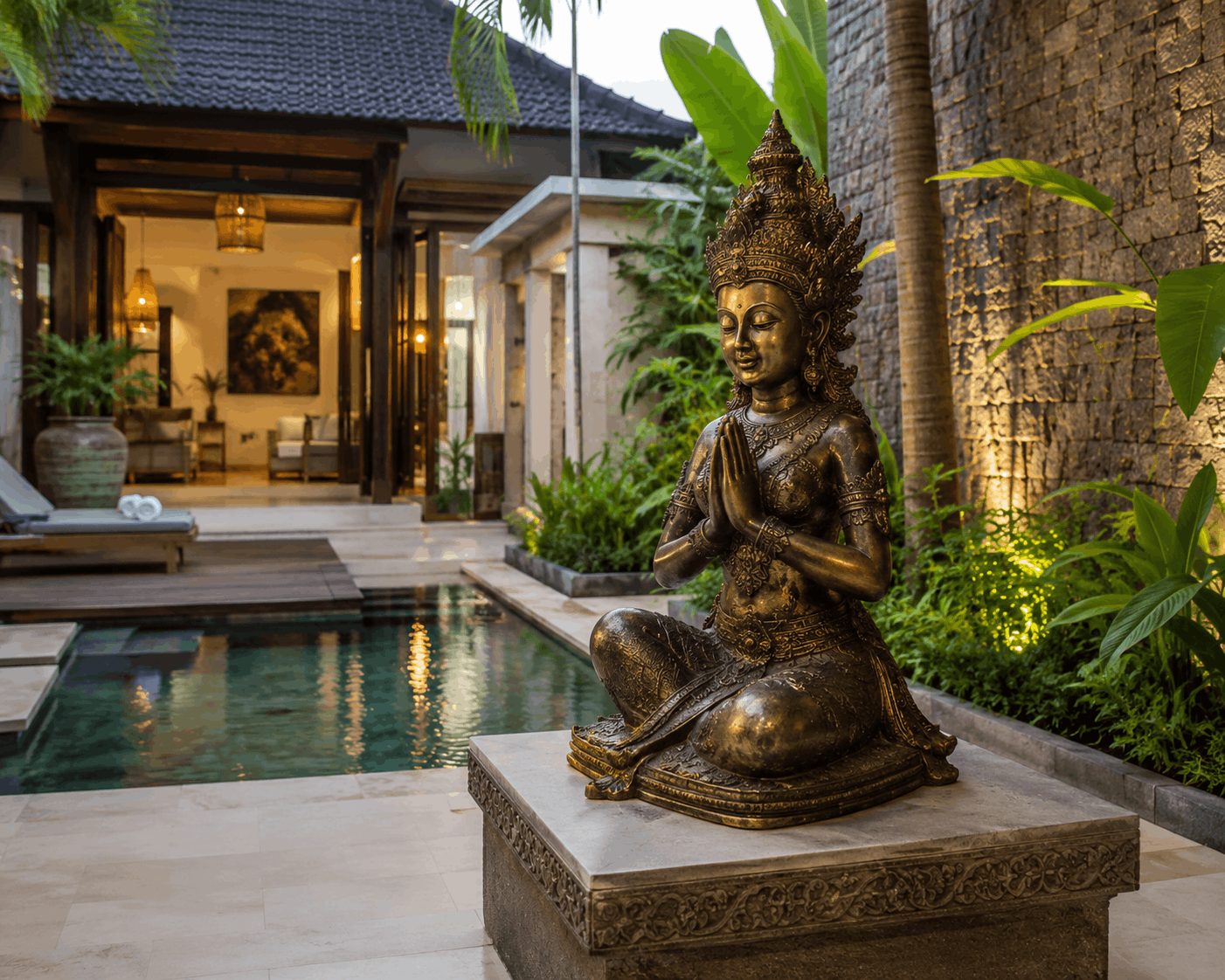
Bronze sculptures have long stood as enduring symbols of elegance, resilience, and prestige. For art collectors, landscape architects, and property developers, acquiring bronze artwork is both an aesthetic centerpiece and a lasting tangible investment.
However, prospective buyers often encounter a wide spectrum of pricing: why can a tabletop piece cost a few hundred dollars while a life-size statue ranges into thousands or tens of thousands of dollars?
The answer lies in raw commodity values, the intricate metallurgical casting process, and the level of artisanal finishing required.
1. Alloy Composition and Raw Material Costs
Bronze is an alloy primarily composed of copper (typically 80–90%) and tin (10–20%), occasionally blended with silicon or other elements to improve casting fluidity and tensile strength.
Because copper and tin are internationally traded industrial commodities, raw bronze prices fluctuate according to global metal markets:
-
Raw Ingot and Melting Expense: Raw bronze alloy generally accounts for 30% to 50% of the direct casting material expense.
-
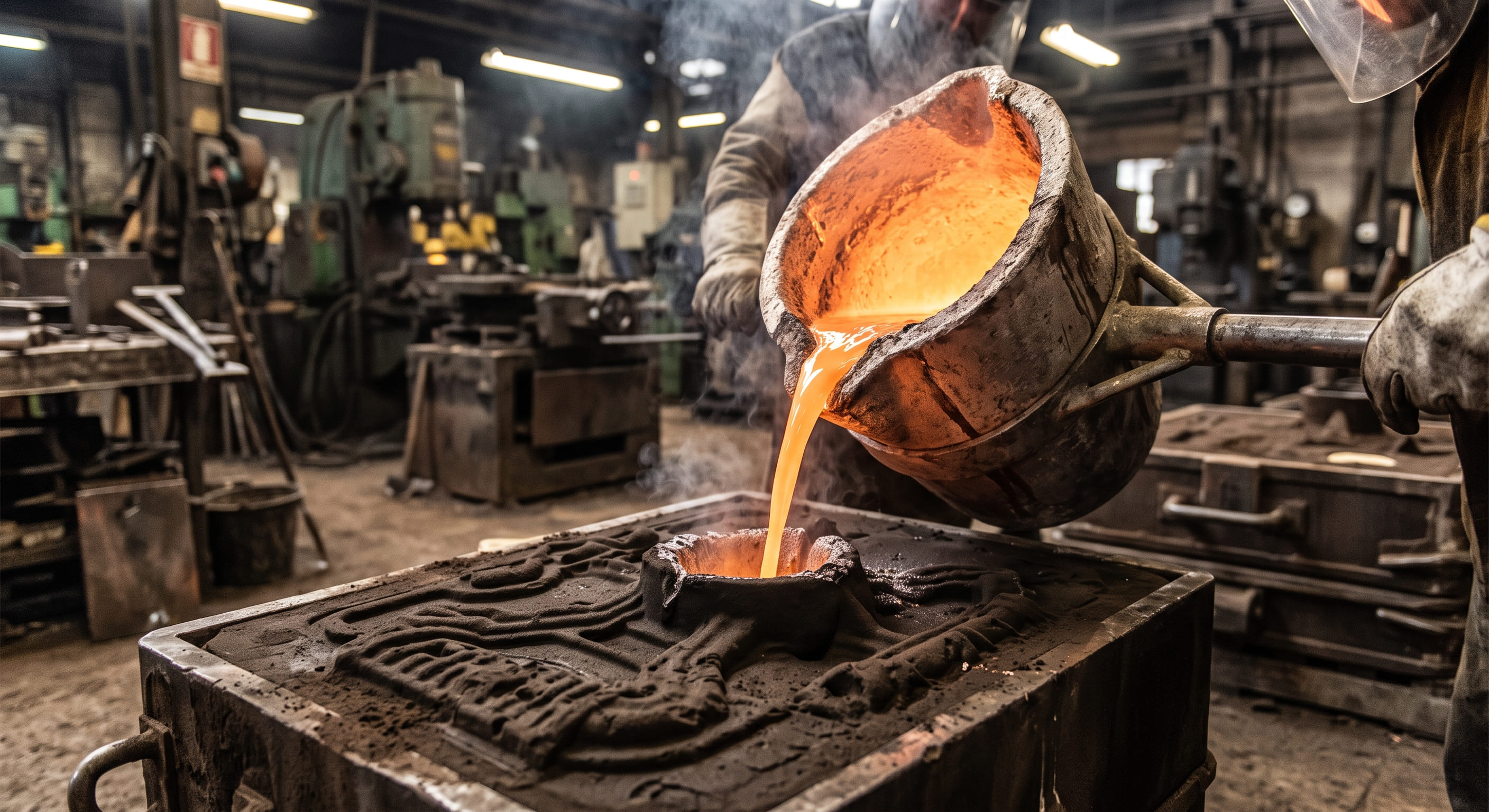
Mass and Wall Thickness: Standard lost-wax castings maintain a wall thickness of 4 mm to 8 mm. Increasing wall thickness or producing a solid cast significantly increases metal consumption and energy costs during melting.
2. Estimated Pricing Benchmarks by Category
To give prospective buyers a clear picture of market costs, here is how bronze sculpture prices generally break down across different scales:
-
Small and Tabletop Sculptures (Under 12 inches / 15–30 cm): Typically range between $200 and $1,200. Pricing for these smaller accents is primarily driven by precision hand-finishing, custom mounting bases, and whether the work is part of a limited edition run.
-
Medium Statues and Garden Accents (18–36 inches / 45–90 cm): Typically range from $1,500 to $4,500. At this size, the cost reflects higher raw metal weight, dedicated silicone mold fabrication, and detailed seam chasing.
-
Life-Size Human and Wildlife Figures (5–6.5 feet / 1.5–2.0 meters): Generally priced between $3,500 and $9,000+. These larger pieces require significant metal tonnage (often 100 to 300+ kg of bronze), section-by-section casting, and structural assembly welding.
-
Custom Bespoke Commissions (New Concept, Life-Size): Typically range from $5,000 to $15,000+. Custom orders carry added costs for sculpting an original 1:1 scale clay model, building dedicated master molds from scratch, and developing custom patinas.
-
Monumental and Public Art (8+ feet / 2.5+ meters): Start from $20,000 and can exceed $100,000. These projects require internal steel armatures, structural engineering, extensive foundry labor, and heavy-duty shipping crates.
3. Value Beyond Raw Metal: Craftsmanship and Finishing
While raw metal prices set the baseline, the majority of a sculpture’s refined value comes from specialized manual craftsmanship:
-
Custom Clay Modeling: Every unique design starts with a master clay sculpture. Sculpting complex anatomy, fluid draping, and realistic textures requires weeks of specialized artisan labor.
-
The Lost-Wax (Cire-Perdue) Process: Creating flexible silicone molds, pouring wax positives, applying ceramic shell slurries, and burnout casting require multi-stage precision.
-
Chasing, Welds, and Chemical Patination: After breakout, artisans weld cast sections together, chase seam lines, and apply hot chemical patinas (such as classic antique browns or vibrant verdigris greens).
-
Protective Sealing: A premium clear coat or specialized microcrystalline wax is applied as a final barrier. This shields the bronze against oxidation and UV degradation, preserving its luster for outdoor or indoor display over generations.
When evaluating the cost of a bronze sculpture, the total price reflects both the intrinsic market value of high-grade copper alloys and the extensive foundry craftsmanship required to turn raw metal into an enduring work of art.